News
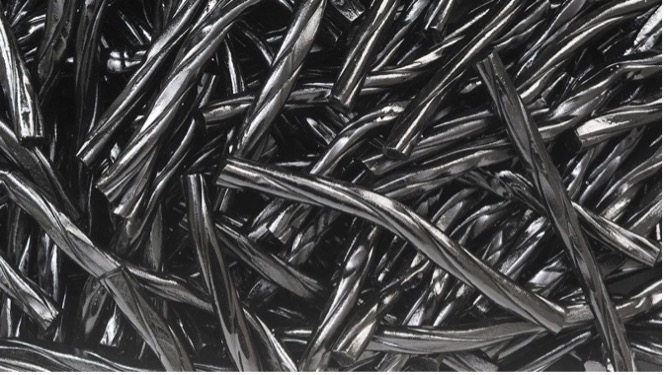
Black Liquorice Compound Shows Promise for Treating IBD:
A new study from the University of Tokyo has identified a natural compound found in black liquorice, called glycyrrhizin, as a promising new treatment for inflammatory bowel diseases (IBD). Using a stem cell model of the human intestine, the research team screened 3,500 compounds for their ability to protect gut cells from IBD-related inflammation. Glycyrrhizin stood out from the rest, reducing cell death and inflammation both in the lab model and in mice with IBD.
To simulate the disease, the team exposed the intestinal cells to a protein known to trigger inflammation in IBD patients, causing the cells to become inflamed and begin to die in a way that closely resembles what occurs in the intestines of real patients. Glycyrrhizin was able to protect the cells against this process. These results were then confirmed in a mouse model of IBD, where animals showed less inflammation and fewer damaged cells.
While Glycyrrhizin has been studied before, this research provides some of the strongest evidence yet of its protective effects on gut tissue. Clinical trials in humans are still needed to confirm safety and dosage, but the findings offer an exciting new direction for patients who do not respond well to existing treatments. This research also raises the possibility that a natural compound could one day support or even replace traditional therapies.
Credit: curtoicurto/istock
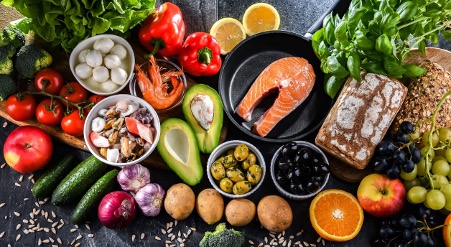
Can a Fish-Based Diet and Aspirin Help Prevent Colon Cancer?
Diet has been associated with the development and progression of colorectal cancer (CRC) in many studies, often focussed on fibre consumption and limiting saturated fats. This study assessed the chemo-preventative potential of a pesco-vegetarian diet consisting of fish and plant foods in combination with two non-steroidal anti-inflammatory drugs (NSAIDs), acetylsalicylic acid (Aspirin) and Sulindac, against CRC.
PIRC rats (a common CRC animal model) were used in this study, and they assessed tumour burden, inflammatory markers and gut microbiota among other relevant markers to determine the effect of treatment.
They found that the pesco-vegetarian diet reduced total tumours and colon tumours regardless of drug treatment, indicating that this diet alone is protective in the context of CRC. Aspirin showed a dose-dependent positive effect where it reduced tumour incidence. When Aspirin was combined with the pesco-vegetarian diet, an additive benefit was seen, indicating that the diet and drug work synergistically to reduce tumour burden. No significant results were seen regarding Sulindac. Both the pesco-vegetarian diet and Aspirin modulated the gut microbiota towards species linked with gut health, with diet being the strongest driver of microbiota changes.
This study highlights the potential positive effects of NSAIDs in CRC, and how their benefit could be enhanced using a dietary intervention such as the pesco-vegetarian diet. It also suggests microbiota may be part of the mechanism of protection; however, this is preliminary and would need further investigation.