Amelia Roy
Posts by Amelia Roy for News



World IBD Day 2026!
Today is World IBD Day!
This year’s theme is Access to Care: The Case for Equitable IBD Care.
Millions of people live with IBD worldwide, yet access to therapies and support still depends too often on geography, resources and health system capacity. Many also continue to face delayed or missed diagnosis, limited access to care, high costs, and gaps in psychosocial support.
Access to IBD care is not a privilege – it’s a right. Quality care should never depend on where someone lives.
Learn more about the campaign here: https://buff.ly/MsygfFs
#IBDHasNoBorders #WorldIBDDay2026 #AccessToIBDCare
Art Credits: crohnsandcolitisnz
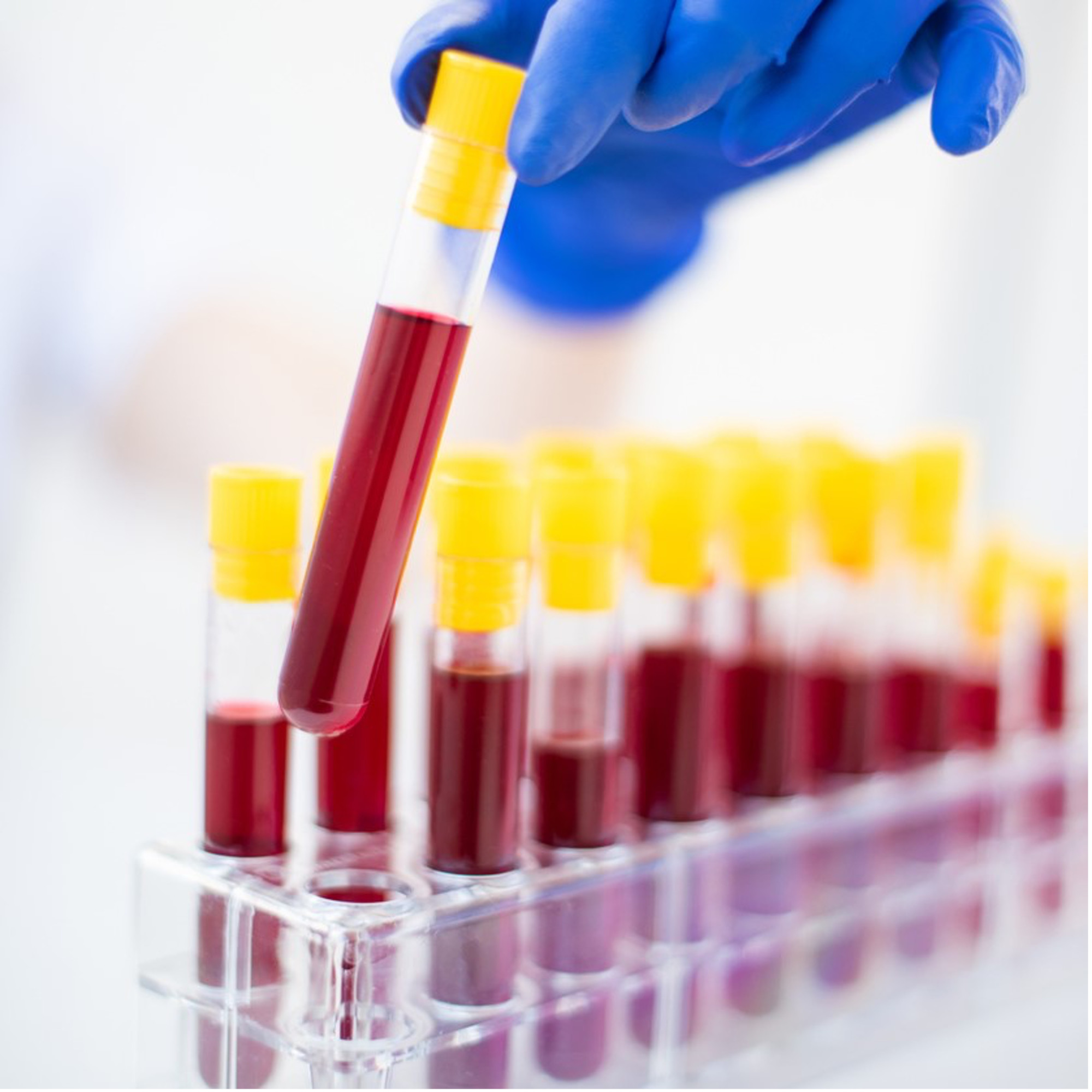
Flagellin Discovery May Predict Crohn's Disease:
A new study, led by Dr. Ken Croitoru at Sinai Health has identified a new biomarker to detect Crohn’s disease (CD) before symptoms begin. Currently CD is diagnosis relies on symptoms and tissue change, which means treatment occurs after damage has already been caused. This new research focuses on early identification of CD before the disease has fully developed.
The team discovered that people who showed a heightened immune response (elevated antibodies) to flagellin, a protein found in the tail-like structures of certain bacteria, were more likely to later develop CD. The identified heightened immune response was targeted specifically to the flagellin of the Lachnospiraceae family, which is bacteria that is thought to be beneficial in a regular intestinal environment.
The study was able to occur using the GEM project, which has investigated 5,000 healthy first-degree relatives of people with CD, of which 130 participants have gone on to develop CD. On average participants were diagnose with CD about 2 and half years after these heightened immune responses to flagellin were detected.
These findings not only suggest that the immune system may play a role in the triggering the disease (rather than reacting to it) but also identify a new biomarker for CD. The development of a biomarker blood test could pave the way for identifying individuals at risk earlier, opening the door to prevention strategies and more proactive care.
Source: https://www.sciencedirect.com/science/article/pii/S1542356525010316?via%3Dihub
Credit: Getty Images/iStockphoto


M.gnavus: a new biomarker for Spondyloarthritis in Crohn's disease patients
Spondyloarthritis is a common complication for Crohn’s disease patients, with approximately a third experiencing joint pain. It is thought to be caused by gut bacteria that escape the lumen when the intestinal barrier breaks down, triggering immune responses. Researchers from Weill Cornell Medicine recently investigated whether different types of bacteria are particularly responsible for these interactions and could be used as potential biomarkers.
To do this, they performed IgG sequencing on stool samples from 106 people (including CD patients without joint inflammation, those with peripheral spondyloarthritis, those with axial spondyloarthritis and healthy controls) and analysed the samples to determine which bacteria were associated with each group. The results showed that CD patients, with or without spondyloarthritis, had distinct and less diverse bacterial communities. These populations also differed between CD patients with peripheral or axial spondyloarthritis. Of these bacteria, Mediterraneibacter gnavus was highlighted as having elevated IgG in CD patients with both peripheral and axial spondyloarthritis. This IgG coating level also correlated with spondyloarthritis disease activity scores.
This research indicates that IgG reactivity against M. gnavus could serve as a biomarker to distinguish and monitor spondyloarthritis severity in Crohn’s disease patients, and may also be a potential target for future therapies. While these results are promising, it is important to note that additional studies are needed to confirm this potential biomarker in larger patient groups.