News
Could a Blood Test Predict Whether an IBD Treatment will Work?
Finding an effective treatment for inflammatory bowel disease (IBD) can involve a lot of trial and error, as there is currently no reliable way to know which patients are most likely to respond to a particular biologic. A recent study by Suarez et al. investigated whether molecules found in the blood could help predict how children with IBD respond to vedolizumab. Vedolizumab is a biologic treatment that helps reduce inflammation by blocking certain immune cells from entering the gut. In children with IBD, it is often used when other treatments have not worked well enough.
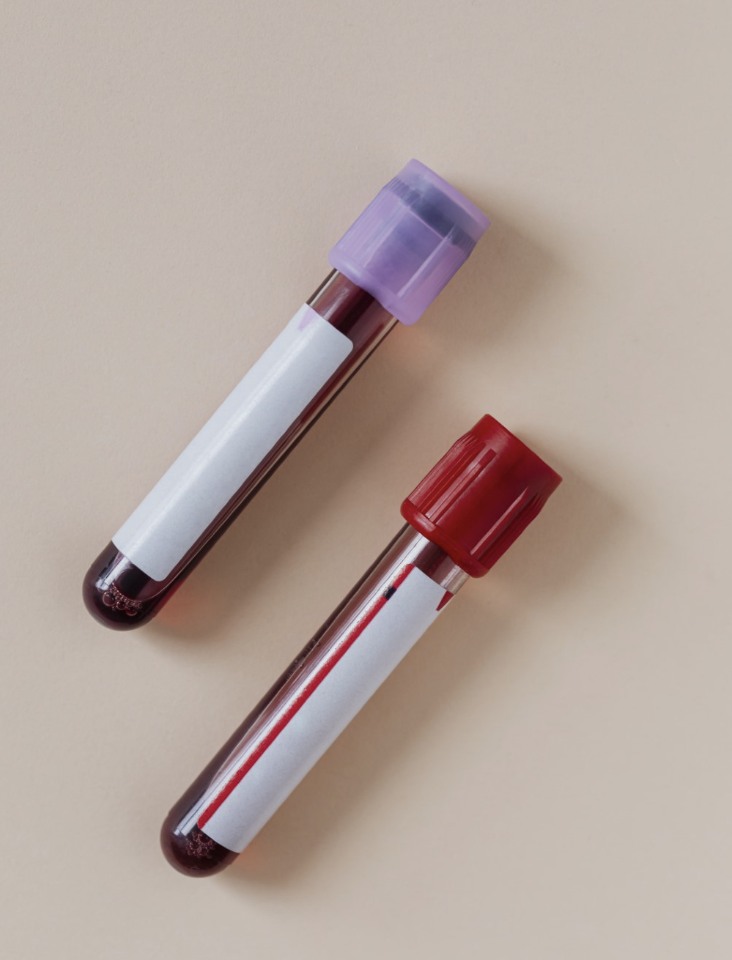
Researchers analysed blood samples from 138 children starting vedolizumab, including 64 with Crohn's disease and 74 with ulcerative colitis. They measured metabolites, which are small molecules in the blood produced as the body carries out its normal processes. The researchers combined these blood measurements with clinical information and used computer-based models to see whether they could predict which children would later go into remission.
The results were promising. The best model for Crohn's disease reached an AUROC of 0.92, while the best model for ulcerative colitis reached 0.90. An AUROC closer to 1 means the model is better at correctly predicting who will and will not respond to treatment. Several blood metabolites, including citric acid, malic acid, picolinic acid and serotonin, helped the models make these predictions.
Although more research is needed before this could be used in the clinic, the findings suggest that a blood test could one day help doctors identify which patients are most likely to benefit from vedolizumab. This could make IBD treatment more personalised and reduce the time patients spend trying treatments that may not work for them.
Article: Suarez RG, Bar Or O, Orlanski-Meyer E, et al. Metabolomics predict treatment response to vedolizumab in pediatric IBD: results from the prospective VedoKids cohort study. Inflammatory Bowel Diseases. 2026;32(10):1880-1887. https://doi.org/10.1093/ibd/izag154