News
Can Gut Microbes Help More People Benefit from Colorectal Cancer Immunotherapy?
Colorectal cancer, also known as bowel cancer, is a major health concern in Aotearoa New Zealand, with other 3000 people diagnosed annually. Treatments include surgery, chemotherapy, radiotherapy and for some patients immunotherapy. Immunotherapies aim to boost the immune system to recognise and eliminate cancer cells, but their effectiveness is highly variable.
A clinically important feature of CRC is whether the cancer is ‘microsatellite stable’ or ‘microsatellite unstable’. These terms describe changes in the cancer’s DNA. Microsatellite unstable cancers tend to respond better to immunotherapies as they are more likely to induce an immune response. However, 85% of CRC diagnoses are considered microsatellite stable and therefore don’t typically respond well to immunotherapies such as anti-PD-1 therapy.
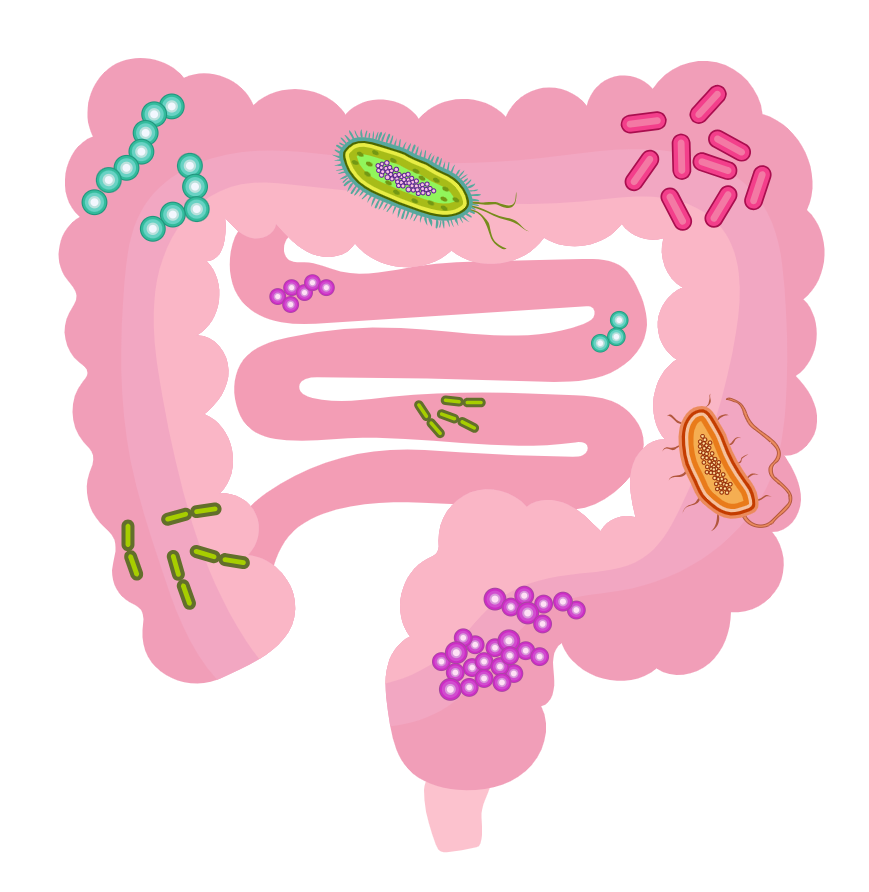
A recent study used mouse models of microsatellite stable CRC and highlighted that the presence of a gut bacterium Akkermansia muciniphila altered the function of immune cells in CRC and strengthened the response to immunotherapy in mice. Early phase clinical trials on 21 patients with identified tumours shrank in 19% of patients that received a combination of the bacterium and immunotherapy. This is encouraging but much larger studies are required to establish whether the bacterium improves treatment outcomes for patients.
Further research is needed to determine the safety and effectiveness of this approach, but the study opens a promising future avenue for understanding how gut microbes may support immunotherapies in bowel cancer treatment.
For more information on the paper, click the link below: https://www.cell.com/cell-host-microbe/fulltext/S1931-3128(26)00403-8